Mera Peak Climbing Everest (Khumbu) Region
- Nepal
- 16 Days/15 Nights
Mera Peak Climbing Everest (Khumbu) Region, Nepal — 16 Days/15 Nights
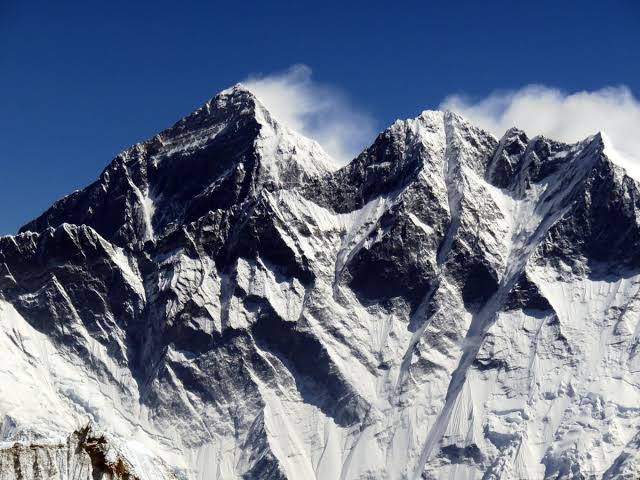
At 6,476m, Mera Peak is the highest of Nepal’s official trekking peaks — reached through the remote Hinku Valley rather than the busier Everest trail. The route passes through Makalu Barun National Park forest before climbing above the treeline to Khare and Mera High Camp, with a summit day that puts Everest, Lhotse, Makalu, and Cho Oyu all in view at once.


Package Included:
- Required permits (Mera Peak permit, Makalu Barun/Sagarmatha National Park fees, TIMS)
- Teahouse/lodge accommodation during the trek
- Hotel in Kathmandu and Pokhara (3-star, twin-sharing, breakfast included)
- 3 meals a day during the trek
- Kathmandu–Pokhara–Kathmandu domestic flights
- English-speaking, government-licensed trek guide
- Experienced, licensed trekking guide and porter (1 porter per 2 trekkers)
- Basic first aid kit
- Sleeping bag (returned after the trek)
- All applicable government taxes and fees
Package Not Included:
- International airfare to/from Kathmandu
- Excess baggage charges
- Lunch and dinner in Kathmandu
- Extra nights' accommodation (early arrival, late departure, or early return from the trek)
- Travel and rescue insurance (mandatory for high-altitude trekking)
- Personal expenses (phone calls, laundry, hot showers, bar bills, battery charging, bottled water, snacks, souvenirs)
- Tips for guide, porter, and driver (recommended but not included)
Itinerary:
Equipment:
Clothing
- Base Layers (Inner Wear)
- 2–3 moisture-wicking T-shirts (synthetic or merino wool)
- 1–2 thermal tops and bottoms
- Insulating Layers
- 1 fleece jacket or pullover
- 1 down jacket (lightweight and warm)
- Outer Layers (Shell)
- Waterproof and windproof jacket
- Waterproof trekking pants or rain pants
- Bottoms
- 2–3 pairs of trekking pants
- 1 pair of shorts
- Undergarments
- 3–4 pairs of moisture-wicking underwear
- 3–4 pairs of trekking socks
- 1 pair of thermal socks
Footwear
- Waterproof hiking boots (well broken-in)
- Lightweight sandals or camp shoes
- Gaiters (optional)
Headwear & Handwear
- Warm beanie or wool hat
- Sun hat or cap with neck protection
- Buff or neck gaiter
- UV-protection sunglasses
- Lightweight liner gloves
- Insulated gloves or mittens
Backpacks & Bags
- 35–45L daypack (with rain cover)
- 60L duffel bag for porter
- Waterproof stuff sacks or dry bags
- Small lock
Sleeping
- Sleeping bag (-10°C to -15°C rating)
- Sleeping bag liner (optional)
- Earplugs
Personal Hygiene & Toiletries
- Toothbrush & toothpaste
- Biodegradable soap
- Quick-dry towel
- Wet wipes
- Toilet paper
- Hand sanitizer
- Lip balm with SPF
- Sunscreen (SPF 30+)
- Moisturizer
- Razor (optional)
- Nail clipper
Health & First Aid
- Personal first aid kit
- Water purification tablets or filter
- Altitude medication (consult doctor)
- Pain relievers
- Prescribed medicines
- Rehydration salts or electrolytes
Accessories & Tools
- Headlamp with extra batteries
- Trekking poles (adjustable)
- Reusable water bottles (2L total)
- Pocket knife or multi-tool (optional)
- Power bank (10,000 mAh+)
- Charging cables
- Adapter (Type C, D & M)
Optional but Useful
- Camera or GoPro
- Journal and pen
- Books or e-reader
- Travel games/cards
- Snacks (trail mix, protein bars, chocolate)
Documents & Money
- Valid passport (copy + originals)
- Travel insurance copy
- Extra passport-sized photos (2–3)
Pro Tips
- Keep daypack under 7–8kg and duffel under 15–20kg
- Layer for variable temperatures
- Pack essentials only – go lightweight