Island Peak Climbing Everest (Khumbu) Region, Nepal
- Nepal
- 18 Days/ 17 Nights
Island Peak Climbing Everest (Khumbu) Region, Nepal —18 Days / 17 Nights
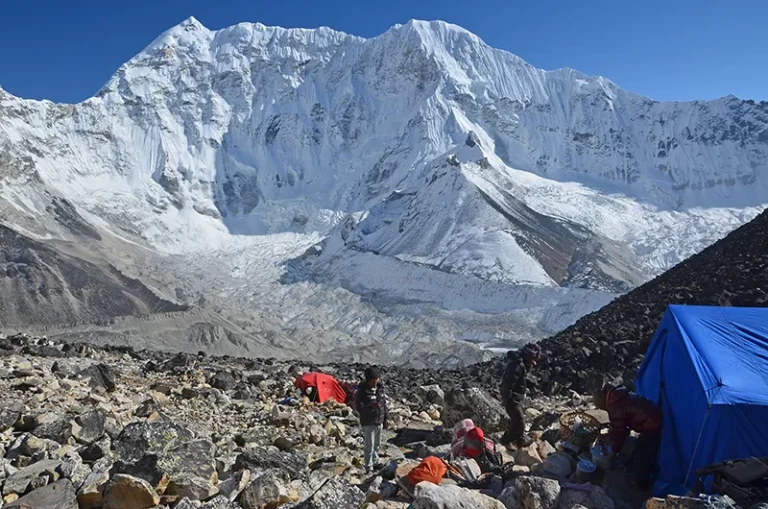
Island Peak — locally known as Imja Tse — is the most-climbed trekking peak in Nepal, and for good reason: it combines a full Everest Base Camp trek with a genuine, achievable 6,000m summit. Named “Island Peak” by Eric Shipton’s 1953 expedition for its appearance as an island rising from a sea of ice, the mountain sits in the Chhukung Valley south of Lhotse. This itinerary follows the classic EBC trail through Namche Bazaar, Tengboche, and Kala Patthar before branching toward Chhukung and the summit push itself — offering both of the Khumbu’s biggest draws in one trip.


Package Included:
- Airport pickup and drop-off
- Hotel in Kathmandu (twin-sharing, breakfast included)
- Kathmandu–Lukla–Kathmandu domestic flights
- Teahouse accommodation on the approach; tented camp with full board at base camp
- 3 meals a day throughout the trip
- Licensed climbing guide and Sherpa support team
- Porter service
- Island Peak climbing permit, Sagarmatha National Park permit, and TIMS card
- Group climbing gear (ropes, ice screws, etc.)
- First aid kit and emergency oxygen
- All government taxes and service charges
Package Not Included:
- International flights and Nepal visa fee
- Personal climbing gear (boots, harness, ice axe, crampons — rentals available)
- Travel and rescue insurance (mandatory, must cover high-altitude climbing and helicopter evacuation)
- Meals in Kathmandu (except breakfast)
- Personal expenses (laundry, charging, hot showers)
- Tips for guide, porters, and climbing Sherpas
Itinerary:
Equipment:
Clothing
- Base Layers (Inner Wear)
- 2–3 moisture-wicking T-shirts (synthetic or merino wool)
- 1–2 thermal tops and bottoms
- Insulating Layers
- 1 fleece jacket or pullover
- 1 down jacket (lightweight and warm)
- Outer Layers (Shell)
- Waterproof and windproof jacket
- Waterproof trekking pants or rain pants
- Bottoms
- 2–3 pairs of trekking pants
- 1 pair of shorts
- Undergarments
- 3–4 pairs of moisture-wicking underwear
- 3–4 pairs of trekking socks
- 1 pair of thermal socks
Footwear
- Waterproof hiking boots (well broken-in)
- Lightweight sandals or camp shoes
- Gaiters (optional)
Headwear & Handwear
- Warm beanie or wool hat
- Sun hat or cap with neck protection
- Buff or neck gaiter
- UV-protection sunglasses
- Lightweight liner gloves
- Insulated gloves or mittens
Backpacks & Bags
- 35–45L daypack (with rain cover)
- 60L duffel bag for porter
- Waterproof stuff sacks or dry bags
- Small lock
Sleeping
- Sleeping bag (-10°C to -15°C rating)
- Sleeping bag liner (optional)
- Earplugs
Personal Hygiene & Toiletries
- Toothbrush & toothpaste
- Biodegradable soap
- Quick-dry towel
- Wet wipes
- Toilet paper
- Hand sanitizer
- Lip balm with SPF
- Sunscreen (SPF 30+)
- Moisturizer
- Razor (optional)
- Nail clipper
Health & First Aid
- Personal first aid kit
- Water purification tablets or filter
- Altitude medication (consult doctor)
- Pain relievers
- Prescribed medicines
- Rehydration salts or electrolytes
Accessories & Tools
- Headlamp with extra batteries
- Trekking poles (adjustable)
- Reusable water bottles (2L total)
- Pocket knife or multi-tool (optional)
- Power bank (10,000 mAh+)
- Charging cables
- Adapter (Type C, D & M)
Optional but Useful
- Camera or GoPro
- Journal and pen
- Books or e-reader
- Travel games/cards
- Snacks (trail mix, protein bars, chocolate)
Documents & Money
- Valid passport (copy + originals)
- Travel insurance copy
- Extra passport-sized photos (2–3)
Pro Tips
- Keep daypack under 7–8kg and duffel under 15–20kg
- Layer for variable temperatures
- Pack essentials only – go lightweight